Find a fuel leak before it becomes an ignition source.
Two-stage gas detection for CNG, LNG, and propane vehicles
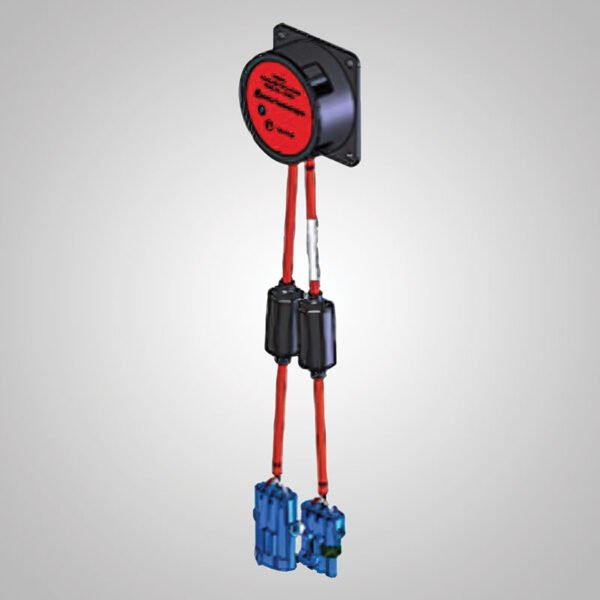
Troman’s combustible gas detector provides resettable point sensing for fuel-gas leaks in vehicle hazard zones. The temperature-compensated metal-oxide sensor is designed for CNG, LNG, and propane applications and provides separate trace and significant alarm outputs.
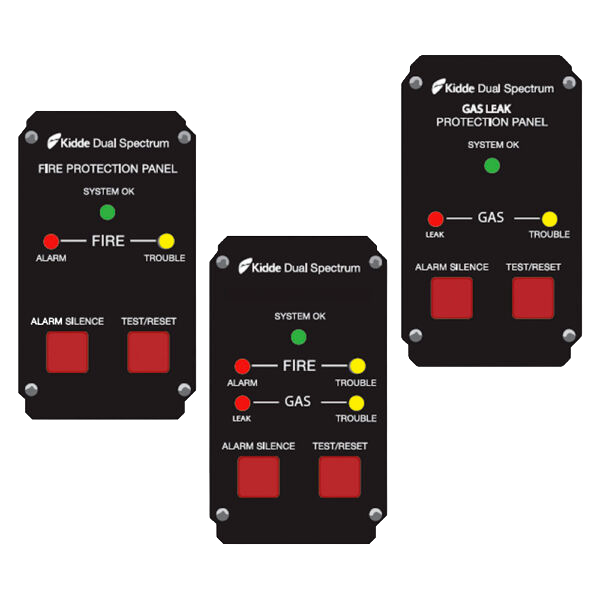
Installed near likely accumulation or release points, the detector can warn the operator at a lower concentration and initiate stronger emergency protocols when the higher threshold is reached. Multiple detectors can be connected to a monitored channel through compatible Troman controllers.
Troman’s combustible gas detector monitors CNG, LNG, and propane vehicle hazard zones and provides trace and significant alarms so transit fleets can respond before a fuel leak becomes a fire risk.
Two alarm levels support a measured response
Warn early, then escalate when the condition becomes significant.
A trace alarm can provide visual and audible warning while allowing the system to reset if the concentration falls. A significant alarm can be latched and used to initiate emergency procedures such as stopping the vehicle, activating hazards, shutting down equipment, and evacuating passengers.
Place detection where gas is most likely to collect
Sensor location is part of the safety strategy.
Common monitoring locations include engine compartments, fuel-fill areas, and fuel-cylinder exhaust points. Troman can help evaluate fuel type, enclosure geometry, ventilation, detector quantity, and channel design.
Key capabilities
Trace alarm at 20% LEL
Significant alarm at 50% LEL
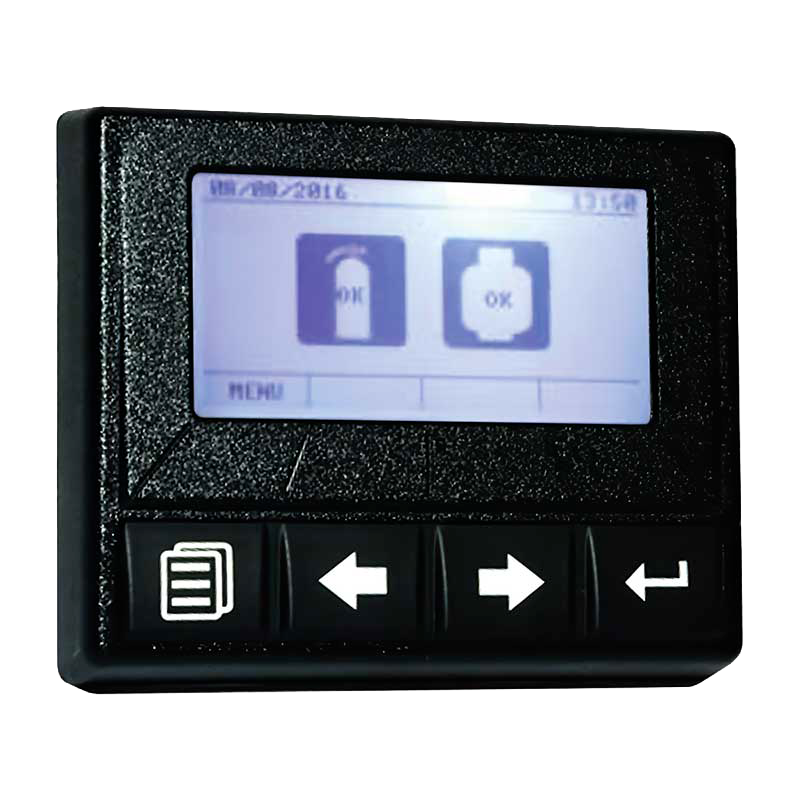
Visual status and fault indication
Temperature-compensated metal-oxide sensing element
Multiple detectors per controller channel
Continuous line monitoring with an end-of-line device
Operating range from -40°C to 85°C
Build gas detection around the fuel system.
Talk with Troman about detector placement, alarm logic, vehicle protocols, and integration with Trident or Troman controllers.
Download data sheet (PDF) →
Find a fuel leak before it becomes an ignition source.
Two-stage gas detection for CNG, LNG, and propane vehicles
Troman’s combustible gas detector provides resettable point sensing for fuel-gas leaks in vehicle hazard zones. The temperature-compensated metal-oxide sensor is designed for CNG, LNG, and propane applications and provides separate trace and significant alarm outputs.
Installed near likely accumulation or release points, the detector can warn the operator at a lower concentration and initiate stronger emergency protocols when the higher threshold is reached. Multiple detectors can be connected to a monitored channel through compatible Troman controllers.
Troman’s combustible gas detector monitors CNG, LNG, and propane vehicle hazard zones and provides trace and significant alarms so transit fleets can respond before a fuel leak becomes a fire risk.
Two alarm levels support a measured response
Warn early, then escalate when the condition becomes significant.
A trace alarm can provide visual and audible warning while allowing the system to reset if the concentration falls. A significant alarm can be latched and used to initiate emergency procedures such as stopping the vehicle, activating hazards, shutting down equipment, and evacuating passengers.
Place detection where gas is most likely to collect
Sensor location is part of the safety strategy.
Common monitoring locations include engine compartments, fuel-fill areas, and fuel-cylinder exhaust points. Troman can help evaluate fuel type, enclosure geometry, ventilation, detector quantity, and channel design.
Key capabilities
Trace alarm at 20% LEL
Significant alarm at 50% LEL
Visual status and fault indication
Temperature-compensated metal-oxide sensing element
Multiple detectors per controller channel
Continuous line monitoring with an end-of-line device
Operating range from -40°C to 85°C
Build gas detection around the fuel system.
Talk with Troman about detector placement, alarm logic, vehicle protocols, and integration with Trident or Troman controllers.
Download data sheet (PDF) →

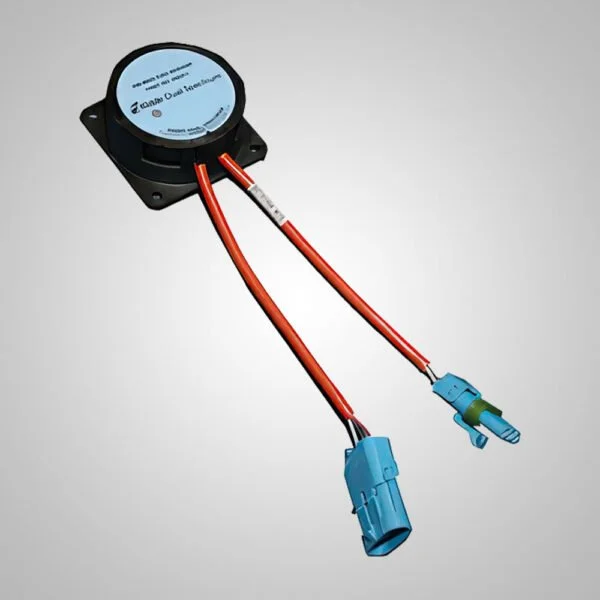 Image 1 of 1