Detect hydrogen where a leak can become a serious hazard.
Troman monitoring for fuel-cell transit vehicles
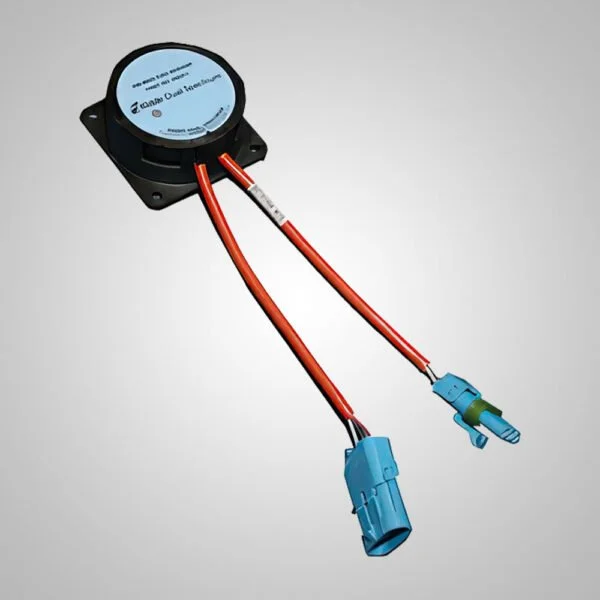
Troman’s hydrogen gas detector provides resettable point sensing for hazardous areas on hydrogen fuel-cell vehicles. Its temperature-compensated sensing element provides separate trace and significant alarm outputs to support early warning and escalation.
The detector can be installed near likely leak or accumulation points and connected to Troman controllers for monitored operation. When a threshold is reached, the system can warn the operator and support configured emergency procedures.
Troman’s hydrogen gas detector monitors fuel-cell transit vehicle hazard zones and provides two-stage alarms to help agencies identify and respond to hydrogen leaks.
Early warning before the higher threshold
Two-stage alarms create time for an organized response.
The trace alarm is intended to surface a developing condition before it reaches the significant threshold. Depending on system configuration, a significant alarm can be latched and connected to vehicle shutdown, ventilation, hazard lights, evacuation, or other emergency protocols.
Configure detection for hydrogen behavior
Placement, ventilation, and enclosure geometry matter.
Hydrogen is highly buoyant, so detector location should reflect likely leak points and accumulation areas. Troman works with fleets and vehicle builders to evaluate sensor placement, quantity, wiring, and controller logic for the specific vehicle architecture.
Key capabilities
Trace alarm at 12.5% LEL
Significant alarm at 25% LEL
Visual power, alarm, and fault indication
Temperature-compensated sensing element
Multiple detectors per controller channel
Continuous line monitoring through an end-of-line device
Operating range from -40°C to 85°C
Add hydrogen detection to the vehicle safety plan.
Troman can help match detector placement and response logic to your fuel-cell vehicle platform and operating procedures.
Download data sheet (PDF)→
Detect hydrogen where a leak can become a serious hazard.
Troman monitoring for fuel-cell transit vehicles
Troman’s hydrogen gas detector provides resettable point sensing for hazardous areas on hydrogen fuel-cell vehicles. Its temperature-compensated sensing element provides separate trace and significant alarm outputs to support early warning and escalation.
The detector can be installed near likely leak or accumulation points and connected to Troman controllers for monitored operation. When a threshold is reached, the system can warn the operator and support configured emergency procedures.
Troman’s hydrogen gas detector monitors fuel-cell transit vehicle hazard zones and provides two-stage alarms to help agencies identify and respond to hydrogen leaks.
Early warning before the higher threshold
Two-stage alarms create time for an organized response.
The trace alarm is intended to surface a developing condition before it reaches the significant threshold. Depending on system configuration, a significant alarm can be latched and connected to vehicle shutdown, ventilation, hazard lights, evacuation, or other emergency protocols.
Configure detection for hydrogen behavior
Placement, ventilation, and enclosure geometry matter.
Hydrogen is highly buoyant, so detector location should reflect likely leak points and accumulation areas. Troman works with fleets and vehicle builders to evaluate sensor placement, quantity, wiring, and controller logic for the specific vehicle architecture.
Key capabilities
Trace alarm at 12.5% LEL
Significant alarm at 25% LEL
Visual power, alarm, and fault indication
Temperature-compensated sensing element
Multiple detectors per controller channel
Continuous line monitoring through an end-of-line device
Operating range from -40°C to 85°C
Add hydrogen detection to the vehicle safety plan.
Troman can help match detector placement and response logic to your fuel-cell vehicle platform and operating procedures.
Download data sheet (PDF)→

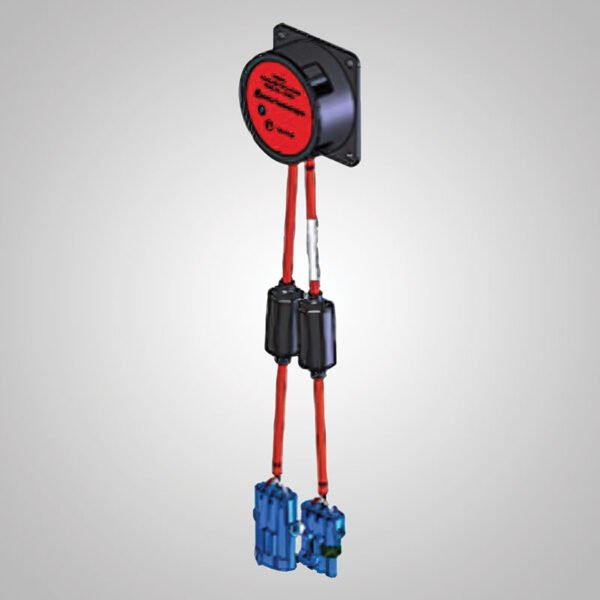 Image 1 of 1