Interrupt the fire chemistry fast.
High-performance suppression for flammable-liquid and electrical hazards
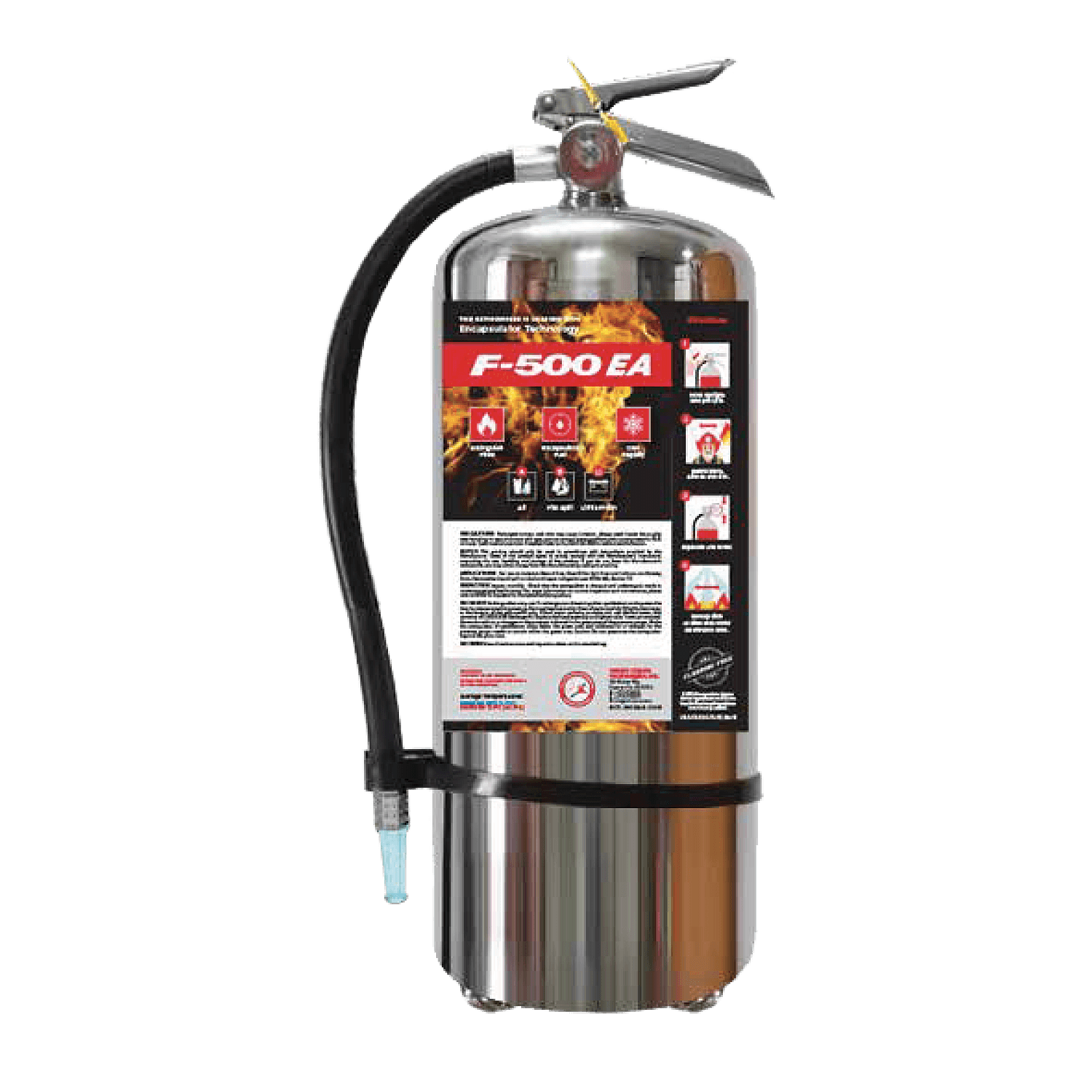
Troman uses Purple K, a potassium-bicarbonate dry chemical, to suppress the Class B and Class C hazards common in vehicle engine and equipment compartments. The agent interrupts the fire’s chemical chain reaction and contributes to cooling at the flame and hot surfaces.
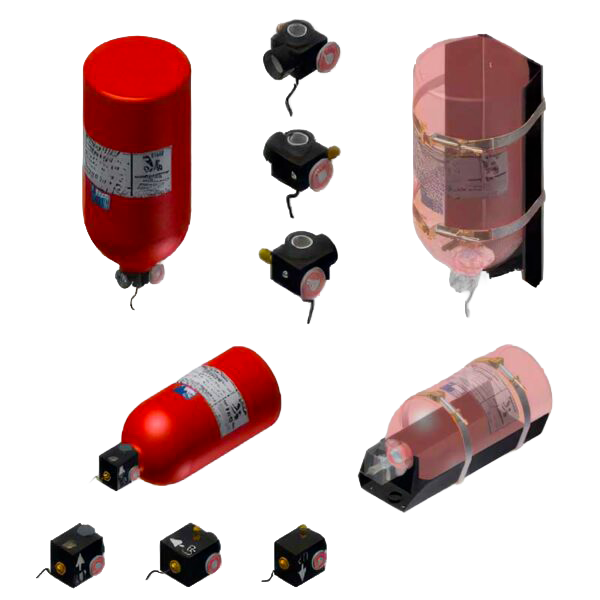
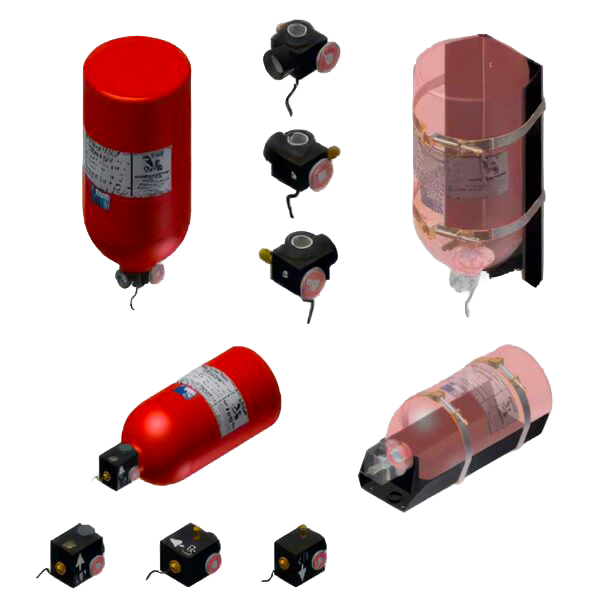
Because Purple K does not rely on water, it avoids the spreading concerns associated with applying water to flammable liquids and the electrical-conductivity concerns around energized equipment. It is packaged within Troman extinguishers engineered for specific compartment volumes.
Troman Purple K fire suppression uses a potassium-bicarbonate dry chemical to interrupt Class B flammable-liquid and Class C electrical fires in bus engine and equipment compartments.
Selected for the hazards found in vehicle compartments
Target the fuel and electrical risks without adding water.
Engine oil, fuel, hydraulic fluid, lubricants, and energized components create a different suppression challenge than ordinary combustibles. Purple K is recognized for rapid effectiveness on flammable-liquid and gas fires.
The agent is one part of the system
Nozzles, quantity, coverage, detection, and activation determine performance.
A suppression design must match agent quantity, distribution, protected volume, airflow, component layout, and detection logic. Troman engineers the agent together with the extinguisher, piping, nozzles, controls, and vehicle response.
Key capabilities
Potassium-bicarbonate dry chemical
Class B flammable-liquid suppression
Class C energized-electrical suppression
Rapid chemical-chain interruption
Packaged in multiple Troman extinguisher sizes
Compatible with automatic and manual activation
Integrated with Troman detection and control products
Match the suppression agent to the actual hazard.
Troman can evaluate protected volume, fuel and electrical risks, discharge layout, detection, and activation as one coordinated system.
Interrupt the fire chemistry fast.
High-performance suppression for flammable-liquid and electrical hazards
Troman uses Purple K, a potassium-bicarbonate dry chemical, to suppress the Class B and Class C hazards common in vehicle engine and equipment compartments. The agent interrupts the fire’s chemical chain reaction and contributes to cooling at the flame and hot surfaces.
Because Purple K does not rely on water, it avoids the spreading concerns associated with applying water to flammable liquids and the electrical-conductivity concerns around energized equipment. It is packaged within Troman extinguishers engineered for specific compartment volumes.
Troman Purple K fire suppression uses a potassium-bicarbonate dry chemical to interrupt Class B flammable-liquid and Class C electrical fires in bus engine and equipment compartments.
Selected for the hazards found in vehicle compartments
Target the fuel and electrical risks without adding water.
Engine oil, fuel, hydraulic fluid, lubricants, and energized components create a different suppression challenge than ordinary combustibles. Purple K is recognized for rapid effectiveness on flammable-liquid and gas fires.
The agent is one part of the system
Nozzles, quantity, coverage, detection, and activation determine performance.
A suppression design must match agent quantity, distribution, protected volume, airflow, component layout, and detection logic. Troman engineers the agent together with the extinguisher, piping, nozzles, controls, and vehicle response.
Key capabilities
Potassium-bicarbonate dry chemical
Class B flammable-liquid suppression
Class C energized-electrical suppression
Rapid chemical-chain interruption
Packaged in multiple Troman extinguisher sizes
Compatible with automatic and manual activation
Integrated with Troman detection and control products
Match the suppression agent to the actual hazard.
Troman can evaluate protected volume, fuel and electrical risks, discharge layout, detection, and activation as one coordinated system.

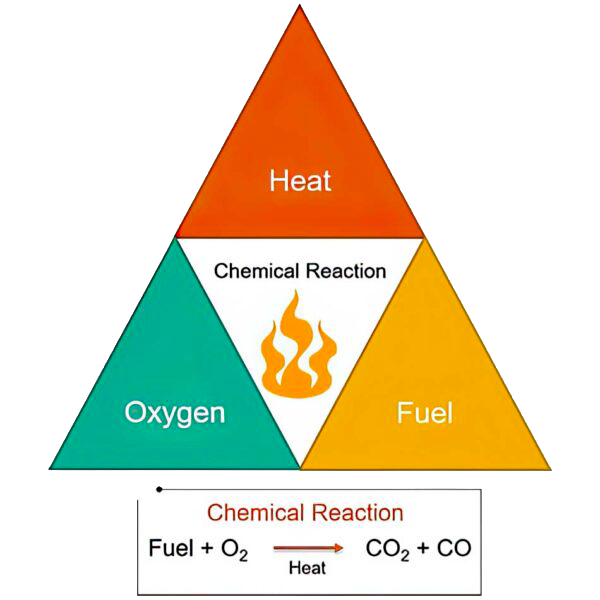 Image 1 of 4
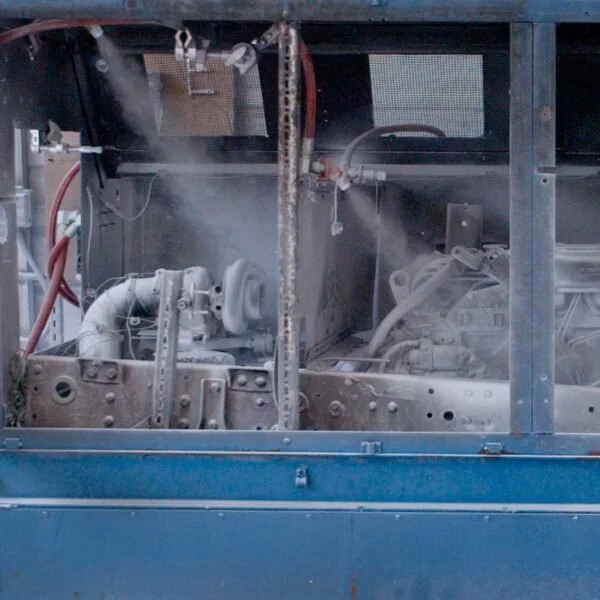 Image 2 of 4
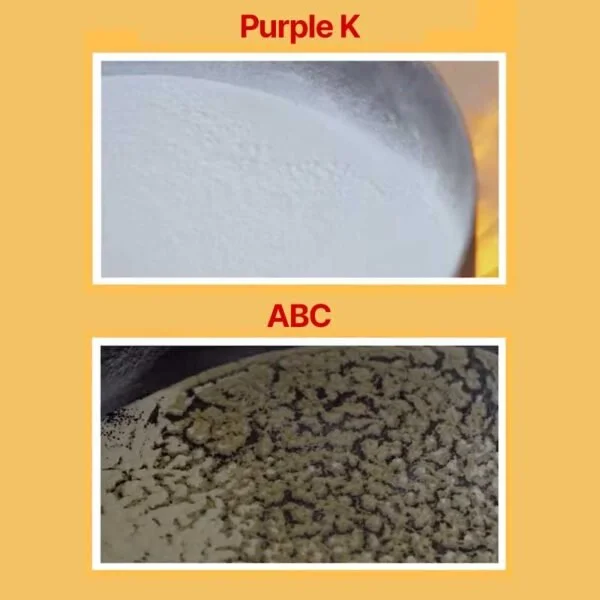 Image 3 of 4
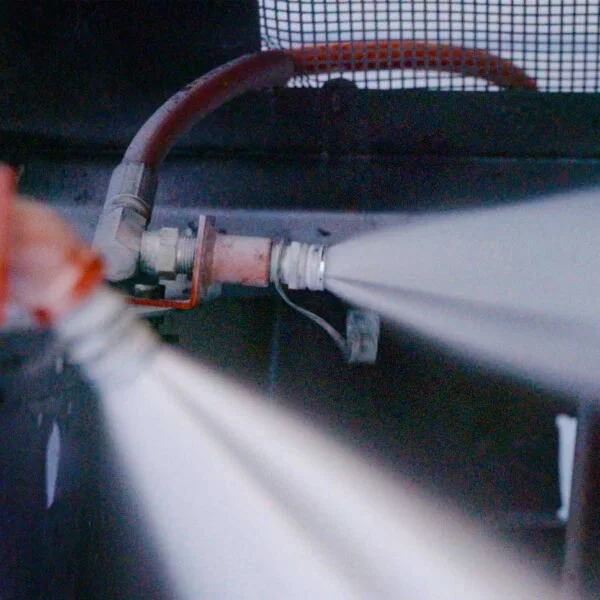 Image 4 of 4