
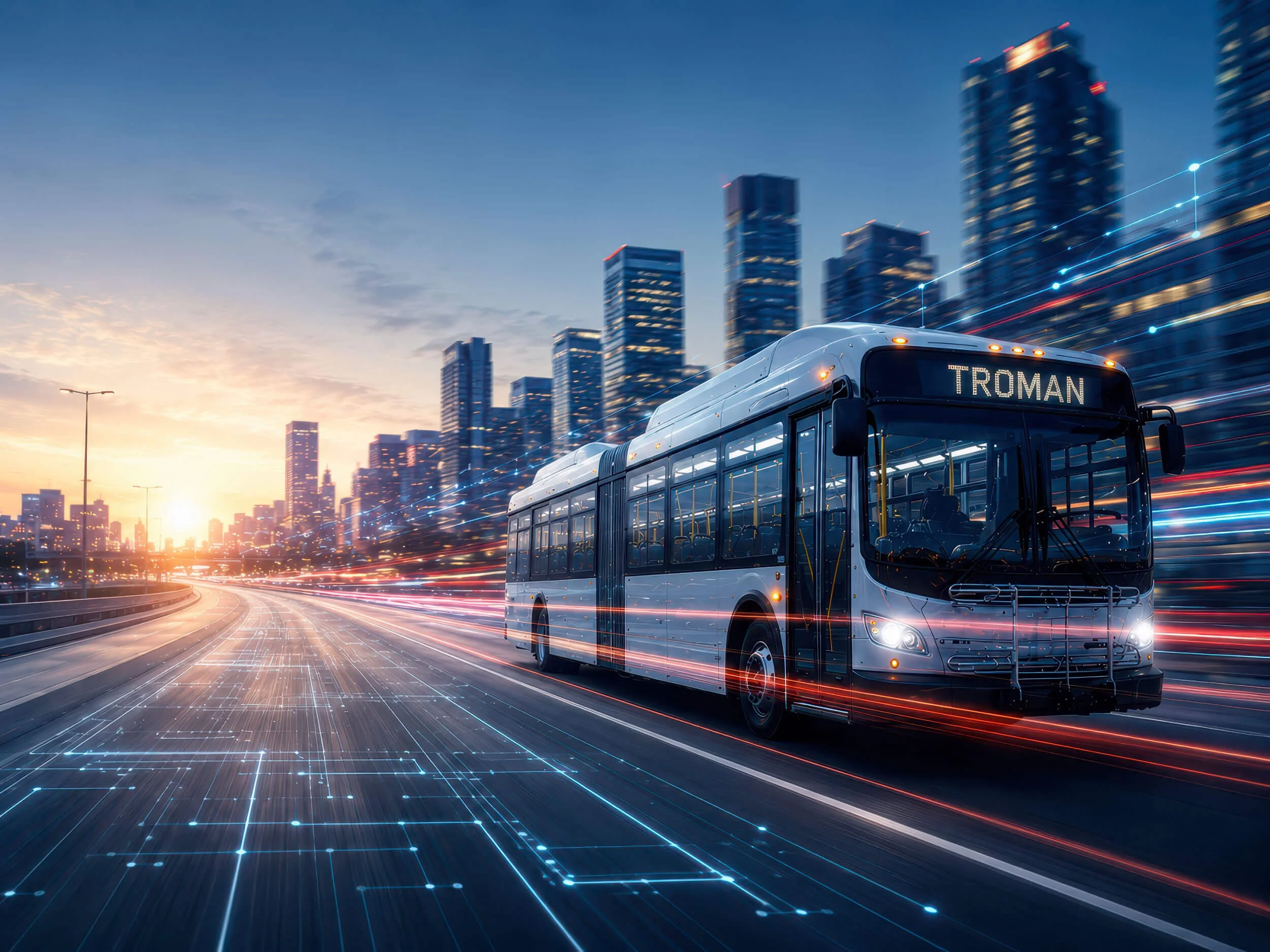
Transit fire detection and fleet safety systems built for the real world.
Operate with confidence—before problems escalate.
Detect developing risks earlier. Connect critical response systems. Give operators, maintenance teams, and agency leaders better information when every second matters.
Troman Industries integrates proven transit fire detection, suppression, thermal monitoring, fleet data, camera, and operator technologies into connected systems that help agencies reduce blind spots, respond with greater control, and protect vehicles, facilities, passengers, and personnel.
When safety systems do not communicate, risk moves faster than response
Transit fleets rely on multiple detection, safety, data, and operator systems. Too often, those systems operate independently.
A detector may identify heat. A control panel may issue an alarm. A suppression system may activate. A camera may capture the incident. An event data recorder may preserve vehicle information. But when those technologies do not contribute to a shared operational picture, agencies can lose valuable time and context.

Late discovery of issues
Abnormal heat and developing equipment problems may remain unnoticed until they become more difficult to control.

Fragmented response
Drivers, dispatchers, maintenance teams, and emergency personnel may receive different pieces of information at different times.

Operational blind spots
Disconnected alerts and incomplete event data make it harder to understand what happened, where it began, and what should happen next.

From reactive detection to predictive fire intelligence.
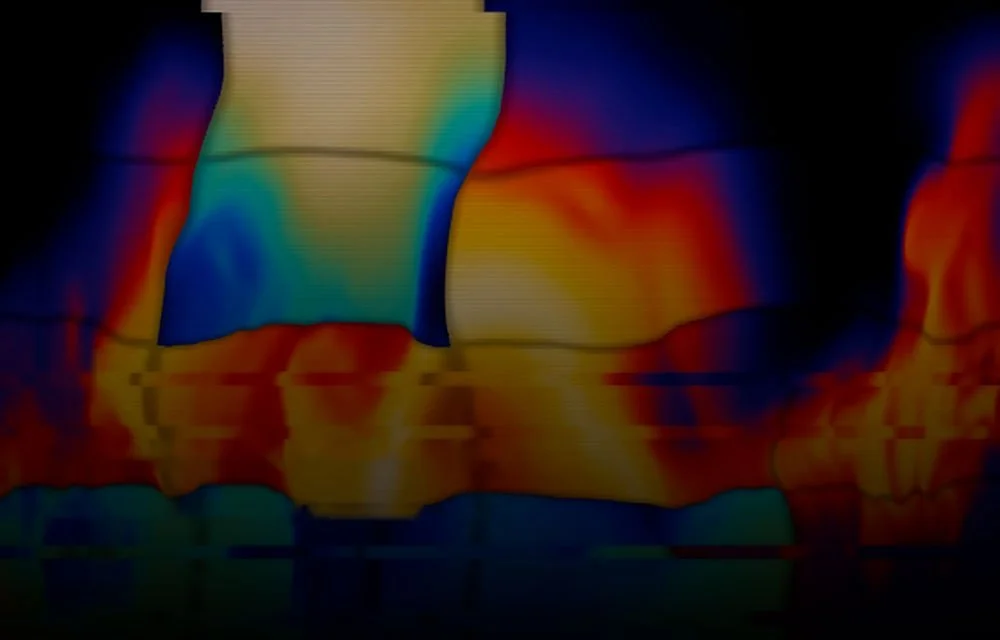
Trident™ continuously monitors thermal conditions and other critical inputs to identify developing risks earlier—giving transit agencies more time to assess, respond, and act before an abnormal condition becomes an emergency.
Instead of relying exclusively on smoke, flame, or a fixed temperature threshold, Trident is designed to identify abnormal heat closer to its source and provide earlier insight into a developing event. Agencies gain more time to investigate the condition, alert the right personnel, initiate vehicle protocols, and deploy suppression or other countermeasures when required.
This connected approach is especially important for electric bus fire safety. Battery-electric vehicles, high-voltage systems, charging equipment, and conventional vehicle components can produce different thermal warning signs. Trident helps fleets monitor those risks without relying on bus fire suppression alone as the first and only line of defense.
Trident transit fire mitigation sequence
Notify
Prompt the transit operator to review and act.
Identify
Detect temperature anomalies in milliseconds.
Nullify
Automatically trigger fire suppression systems to stop a runaway thermal event in its tracks.
Trident continually monitors data from multiple onboard transit systems.
Monitor
Continually monitor data from multiple onboard transit systems.
Identify
Detect temperature anomalies in milliseconds.
Notify
Prompt the transit operator to review and act.
Nullify
Automatically trigger fire suppression systems to stop a runaway thermal event in its tracks.
That bus doesn’t have to burn.
In a thermal event, the industry standard of six seconds is an eternity. Trident’s intelligent onboard monitoring system—powered by CircuitLink’s Intelligo system—changes that paradigm by cutting response time to milliseconds. Enough time to help save passengers, save the vehicle, and save the maintenance bay by stopping runaway thermal events.
Built on the strength of proven partners.
Troman brings together leading technologies from trusted manufacturers into a more unified approach. Rather than relying on isolated systems, we focus on how each component contributes to a broader operational picture.
Our role is simple: connect the right solutions so they work together in the environments where fleets operate every day.


A newer name in transit. Not new to transit.
Troman Industries is led by transit professionals with more than 100 years of combined industry experience. We pair that experience with proven technologies and trusted partners to build integrated solutions around how transit fleets actually operate.
Built around transit
Solutions are evaluated for the conditions, regulations, service demands, and vehicle environments transit agencies face every day.
Backed by proven technology
Troman works with recognized technology partners rather than asking agencies to gamble on untested concepts.
Focused on integration
Every component is considered as part of a larger safety and operating environment—not as an isolated box installed on a vehicle.
Solutions built for real-world transit environments
Fire detection & thermal monitoring
Identify abnormal conditions before they escalate
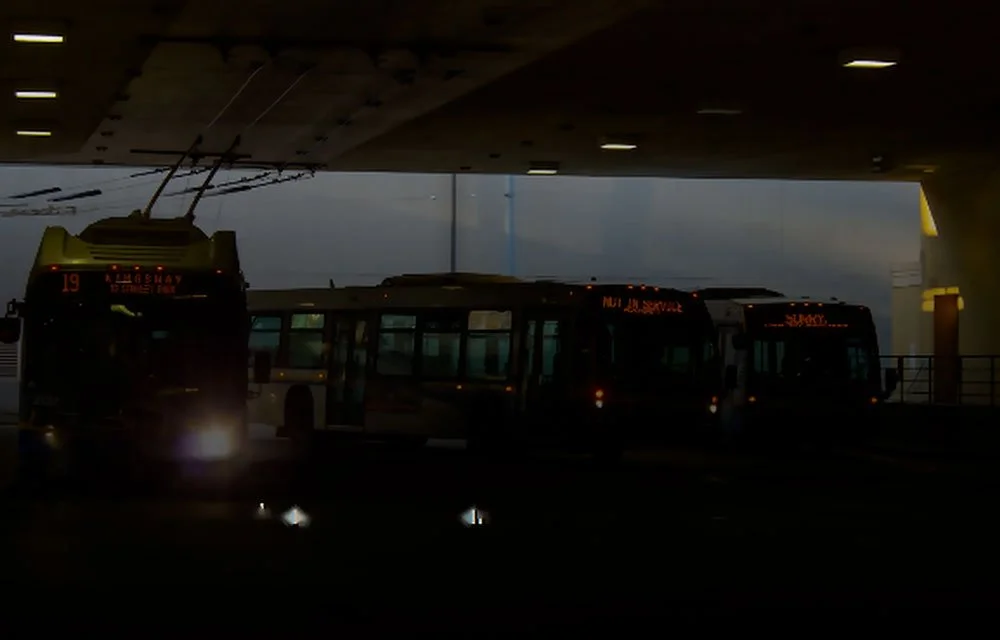

Support rapid, coordinated response
Bus fire suppression
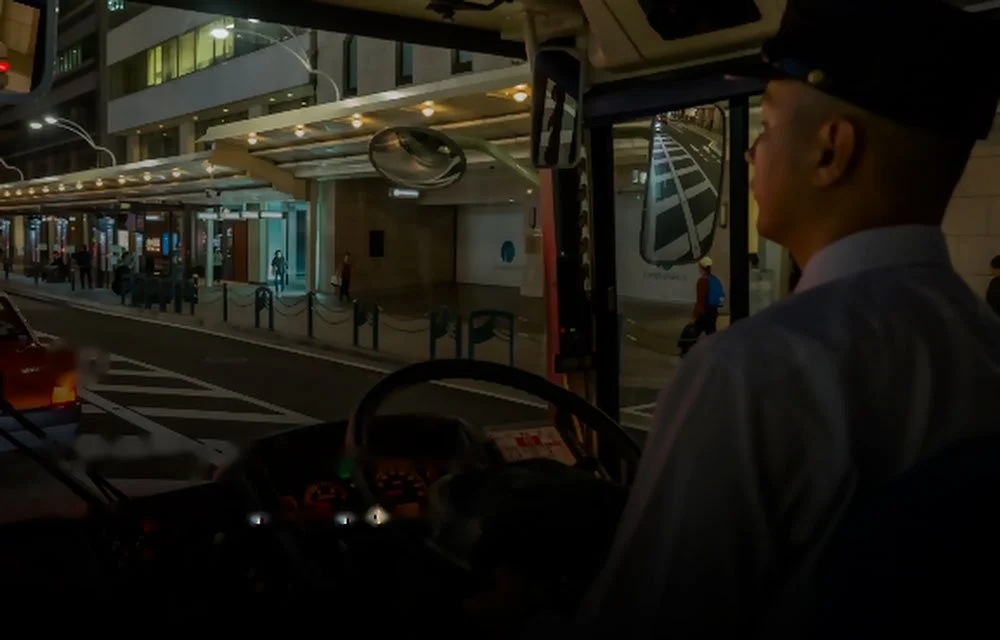

Driver visibility & safety
Improve visibility beyond traditional mirrors
Learn more →
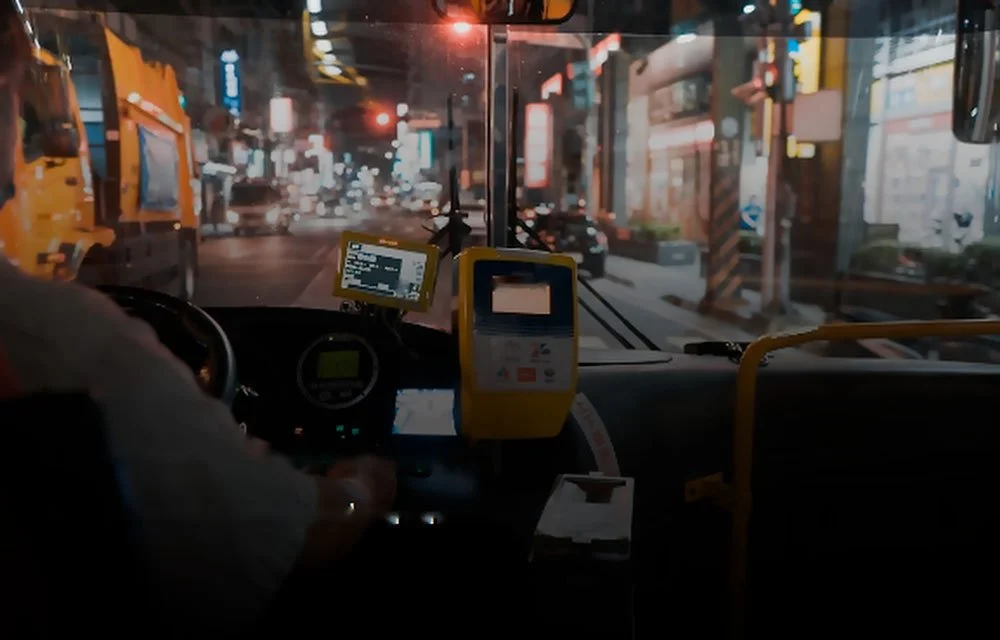

Operator seating & ergonomics
Support the person responsible for the vehicle
Learn more →
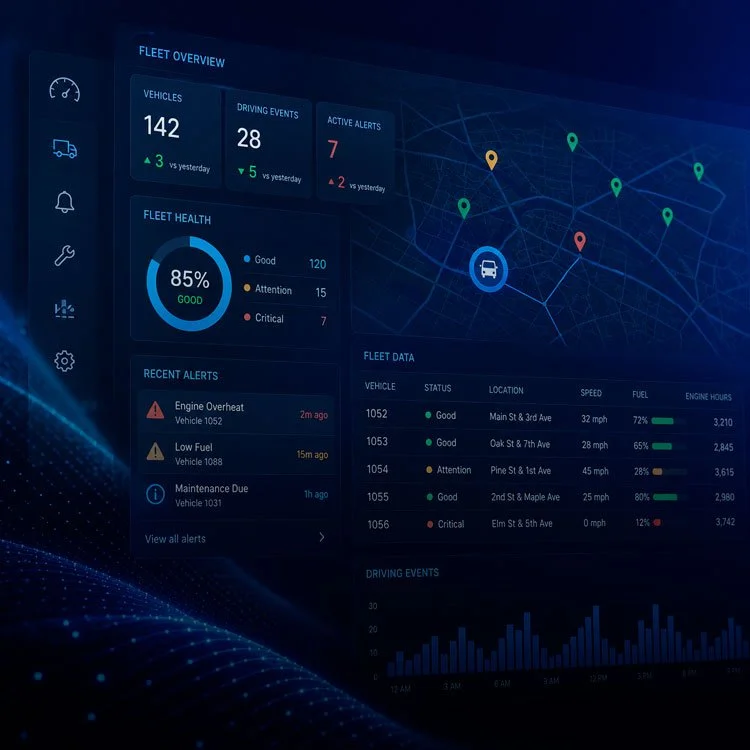

Fleet data & intelligence
Capture and interpret data to improve fleet insight
What connected transit systems make possible:
Earlier thermal intervention
Investigate abnormal heat and equipment conditions before they become full-scale emergencies.
Faster coordinated response
Deliver useful information to the people responsible for operating, maintaining, and protecting the fleet.
Better incident reconstruction
Combine event data, system status, alerts, and visual information to create a clearer record of what occurred.
Reduced service disruption
Address issues sooner and make more informed decisions about inspection, repair, and vehicle availability.
Improved operator visibility
Help drivers see surrounding hazards and understand vehicle alerts more clearly.
Stronger fleet planning
Use real operating data to guide maintenance priorities, equipment specifications, training, & plan procurements.
Bring greater clarity and control to your fleet
Whether your agency is evaluating transit fire detection systems, improving electric bus fire safety, upgrading bus fire suppression, installing an event data recorder, or replacing traditional mirrors with camera monitor systems, Troman can help you build a solution around the way your fleet actually operates.
Talk with transit professionals who understand the vehicles, the technology, and what is at stake when systems fall short.
Frequently asked questions
-
A transit bus fire detection system should provide early, reliable identification of abnormal conditions and deliver actionable information to the people responsible for responding. Agencies should also consider how detection integrates with thermal monitoring, operator alerts, fire suppression, fleet data, and other onboard systems rather than evaluating each technology in isolation.
-
Thermal monitoring systems can continuously evaluate temperatures and identify abnormal heat patterns before traditional smoke or flame detection thresholds are reached. Earlier visibility gives operators and maintenance teams more time to investigate developing conditions and take appropriate action.
-
Protection should extend beyond vehicles that are actively in service. Continuous thermal monitoring, remote notification, appropriate fire detection and suppression strategies, and facility response planning can help agencies identify developing problems on parked or charging vehicles and respond before an incident threatens surrounding buses or infrastructure.
-
Early detection and rapid notification are critical because they give agencies more time to isolate a developing event, move surrounding vehicles when appropriate, activate suppression or mitigation systems, and coordinate emergency response. This is especially important in bus depots, where vehicles are often parked close together and a single incident can threaten multiple assets and facilities.
-
Battery-electric buses introduce high-voltage systems, lithium-ion battery packs, charging equipment, and thermal conditions that differ from conventional diesel or CNG vehicles. Battery failures can develop internally and may progress to thermal runaway, making continuous thermal monitoring, earlier detection, and coordinated response particularly important.
-
A transit event data recorder captures information from onboard vehicle systems before, during, and after significant events. That data can help agencies reconstruct incidents, diagnose vehicle issues, support maintenance decisions, identify recurring patterns, and better understand what occurred when an alarm, failure, or safety event takes place.
-
Camera monitor systems replace or supplement traditional mirrors with cameras and in-cab displays that give operators a clearer view around the vehicle. They can improve visibility, reduce blind spots, and help drivers operate large transit vehicles more safely in traffic, at stops, and around pedestrians and cyclists.
-
Troman does more than supply individual transit technologies—we integrate them into systems designed around how fleets actually operate. By bringing fire detection, suppression, thermal monitoring, fleet data, and other critical technologies together, Troman helps reduce the gaps that occur when systems operate independently. Agencies gain a more coordinated approach to safety, response, and fleet intelligence, backed by one transit-focused partner that understands how the pieces need to work together.